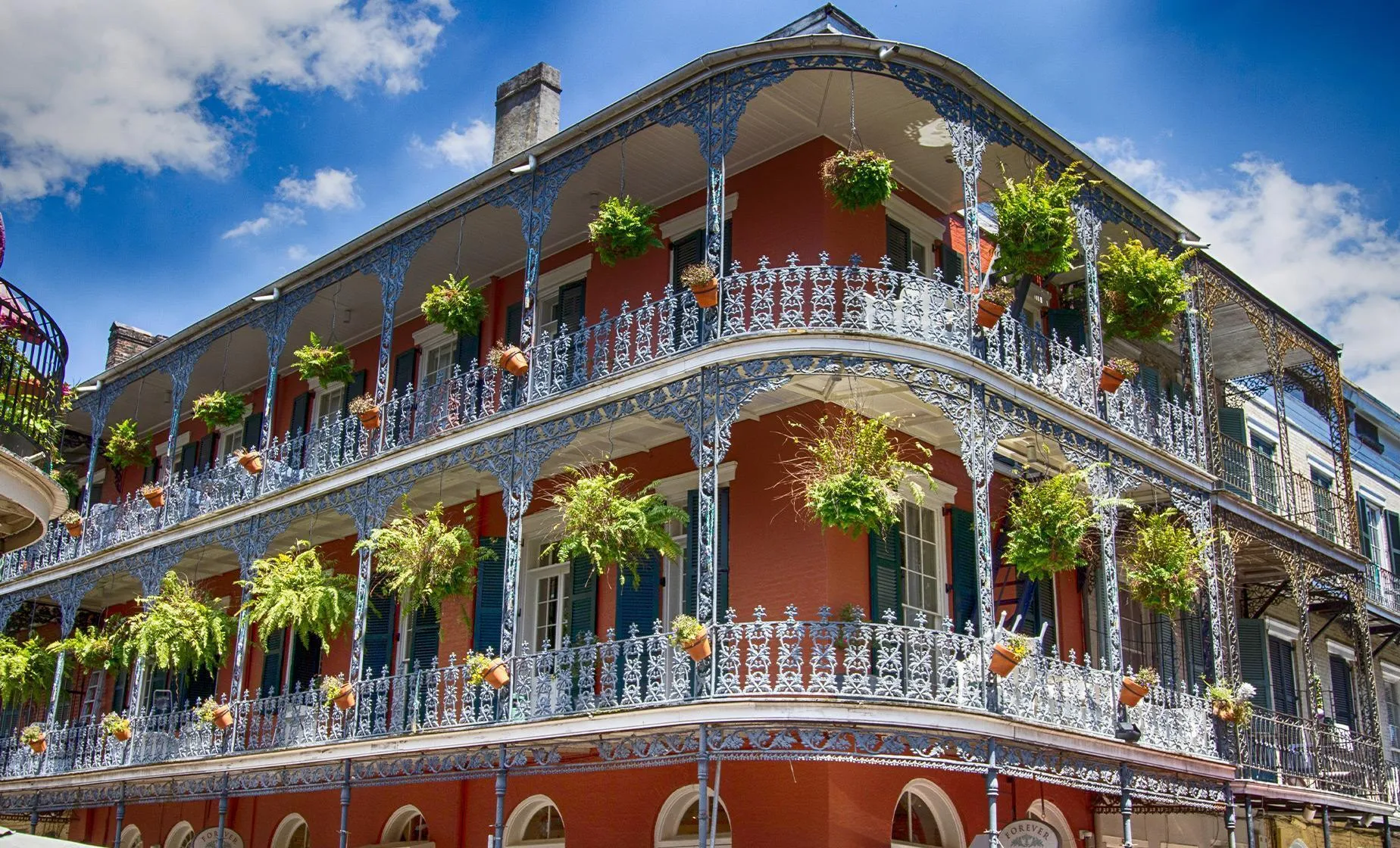
Plan Your Visit to New Orleans
A proposal layout to compare timing, route flow, and ticket strategy before you book.
This page is a proposal layout to help you compare timing, route flow, and ticket strategy before you book. It is not a strict itinerary; adjust your visit based on your energy, interests, and timing.
When to visit
Start early and plan by neighborhood
Morning brings cooler walking conditions and leaves flexibility for museums, meals, weather, and evening music.
Entry & queues
Check each venue independently
Confirm opening days, reservation requirements, security rules, age limits, and accessibility directly with each destination.
How long to allow
Three to five days works well
A shorter stay can cover the historic core; additional days support museums, neighborhood visits, music, parks, and slower meals.
Often missed
Tremé, the riverfront, and City Park
These areas broaden the city beyond its best-known entertainment streets and add Black history, landscape, art, and public space.

Build each day around one or two neighboring areas, then add meals, museums, music, and weather buffers.
Approach and orientation
Group nearby places to reduce travel time and avoid crossing the city repeatedly.

Pace and route timing
Allow generous time for museums, meals, live performances, and unexpected discoveries.
Ticket strategy
Buy admission only where required and verify each experience’s current inclusions.
Central New Orleans is compact, but neighborhoods spread upriver, downriver, and toward Lake Pontchartrain. Plan geographically.
By Train
Union Passenger Terminal serves intercity rail and coaches; connect onward by walking, streetcar, local transit, taxi, or rideshare.
By Bus
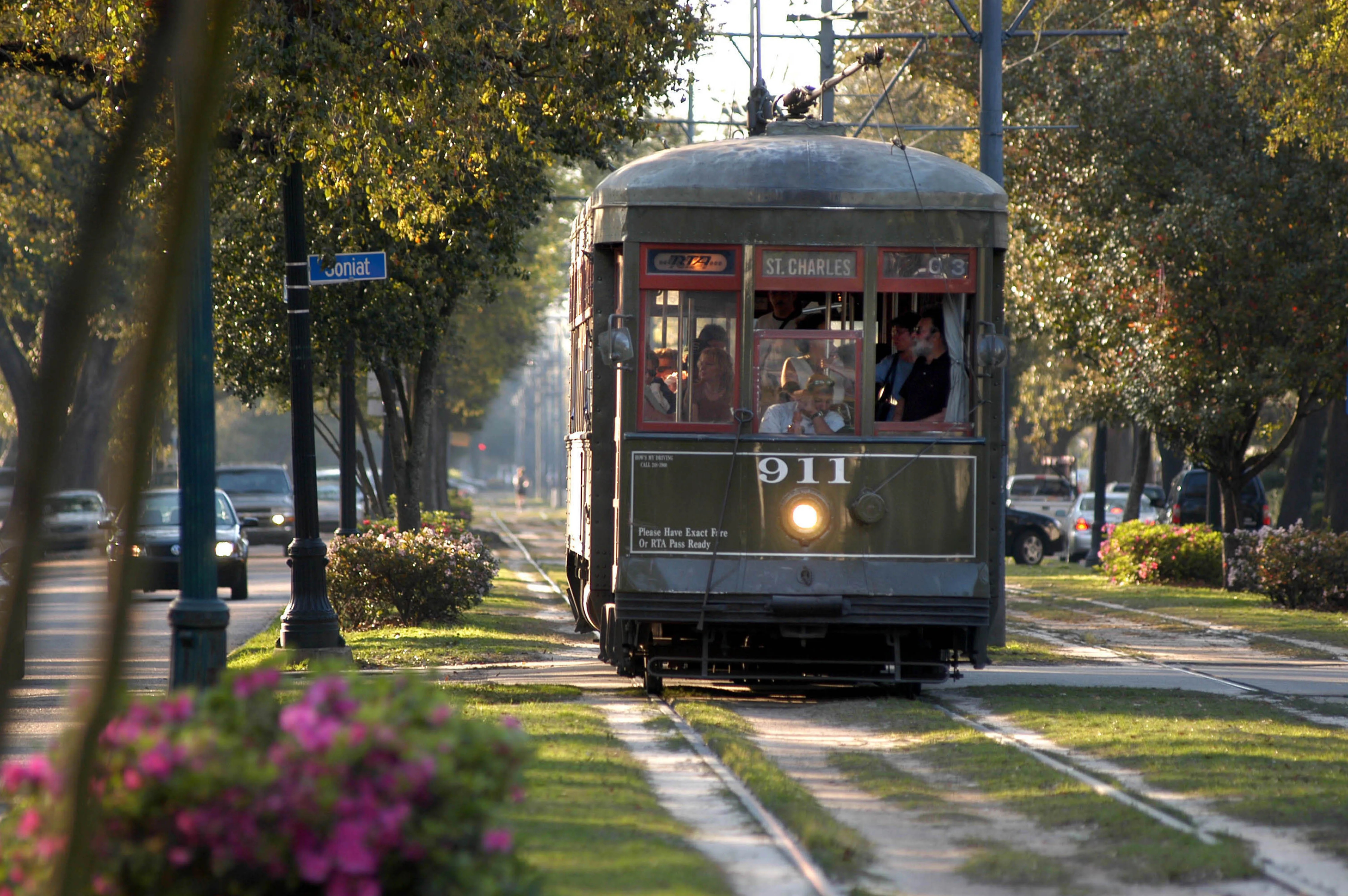
RTA services connect major districts. Use official maps and alerts because construction, weather, and events can affect service.
Peak windows
Carnival, Jazz Fest, major conventions, holidays, and festival weekends bring higher lodging demand, crowds, and street closures.
Calmer windows
Spring and fall often offer comfortable conditions, but every season has trade-offs. Verify heat, hurricane-season, and event considerations.
On arrival, confirm weather, event closures, accommodation check-in, and the day’s venue schedules before setting out.
Timed museum or attraction admission
Arrive within the venue’s stated window
A reservation may not remove security checks or event-day congestion.
Walk-up admission
Availability varies by place and date
Popular experiences can sell out, while many public spaces require no admission.
Restaurants and live venues
Peak waits vary widely
Reserve where appropriate and keep alternatives nearby rather than losing an evening in one line.
Choose times by weather, neighborhood rhythm, venue schedules, and personal interests rather than a single crowd formula.

Morning
Best for: walking and markets
Temperatures are often kinder and historic areas can feel calmer.
Afternoon
Best for: museums and long meals
Indoor attractions provide relief from heat or rain.
Evening
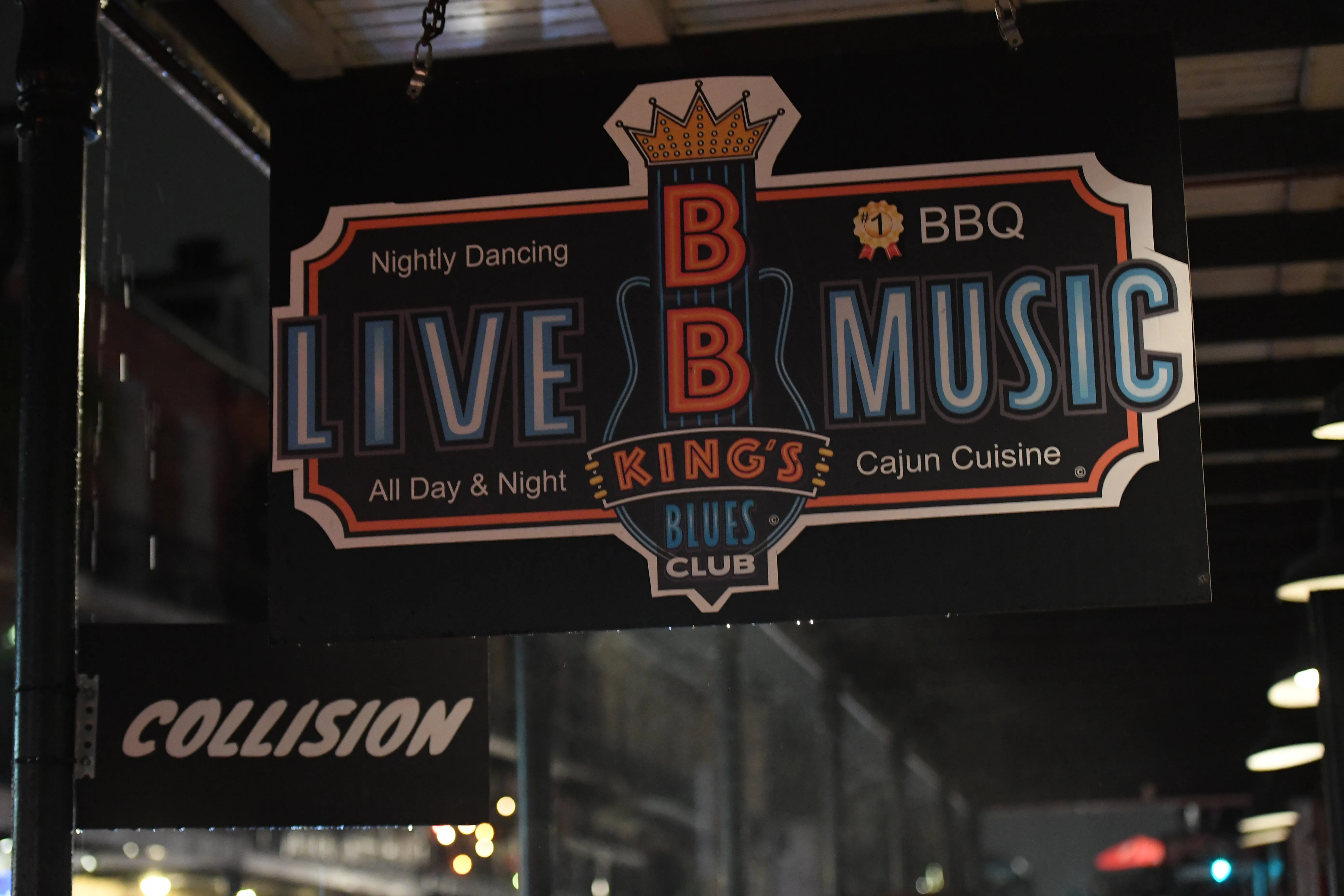
Best for: music and dining
Check venue age rules, performance times, transport, and the itinerary back to accommodation.
Choose your time budget
Quick visit
Estimated time: One day
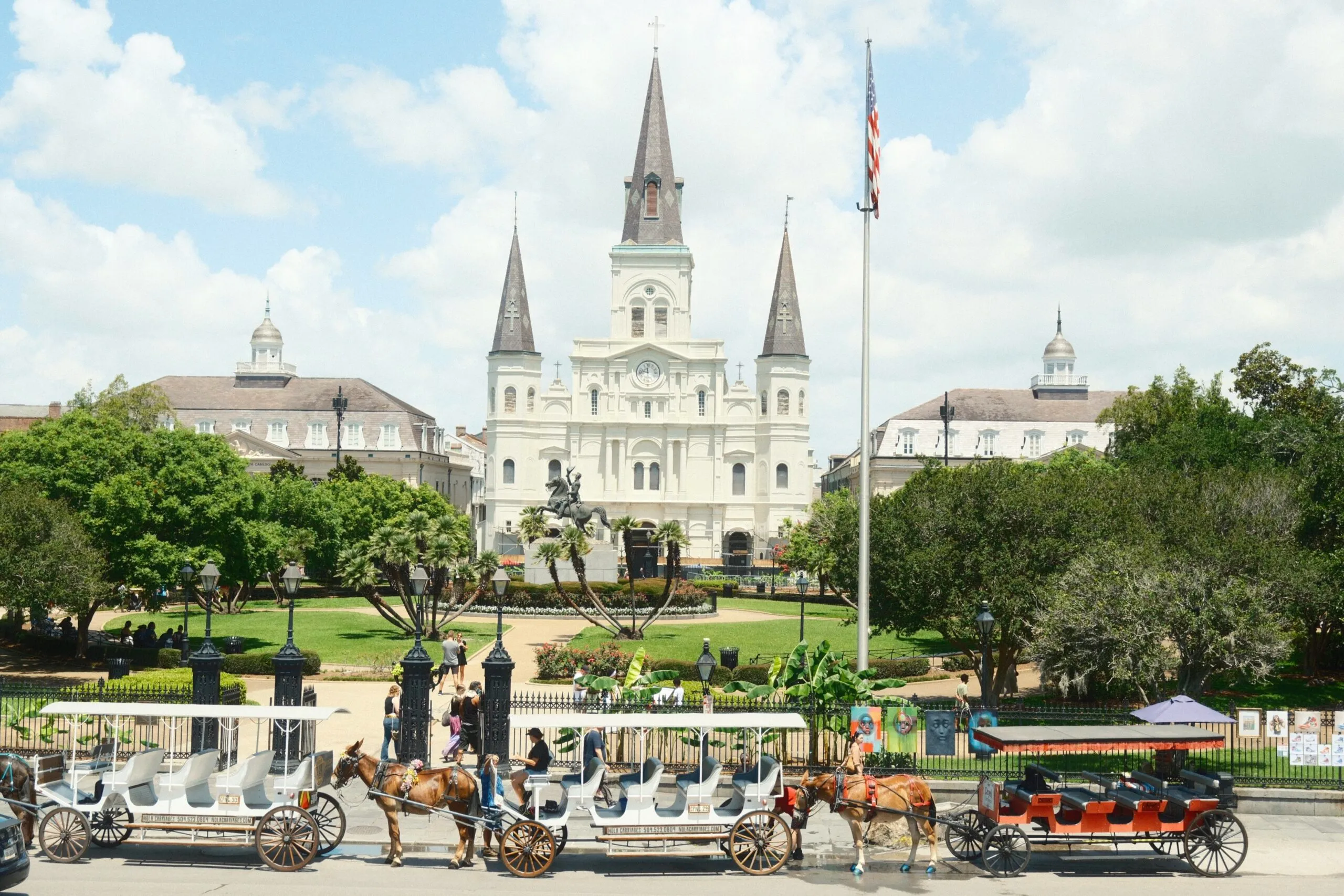
Focus on the French Quarter, Jackson Square, riverfront, and one museum or cultural site.
Complete visit
Estimated time: Three days
Add Tremé, the Garden District, the Arts District, live music, and neighborhood dining.
Extended city stay
Estimated time: Four to five days
Include City Park, Mid-City, more museums, deeper music programming, and time beyond the historic core.
Select ticket type
Museum and historic-site admission
Included: Entry terms vary; use the institution’s current listing for exhibitions, timed access, and concessions.
Best for: Visitors interested in history, art, and cultural context.
from: Check current admission
Guided neighborhood or history experience
Included: Inclusions, duration, group size, and meeting points vary by provider.
Best for: Visitors seeking structured interpretation.
from: Compare current options
River, food, music, or regional experience
Included: Only rely on activities and benefits explicitly listed by the provider.
Best for: Visitors building an interest-led itinerary.
from: Varies by experience
Prices and availability change; official venue or checkout details are the source of truth.
Step 1 - Choose a neighborhood
Anchor the day in one area and list nearby priorities.
Step 2 - Confirm schedules
Check museums, restaurants, performances, weather, and event closures.
Step 3 - Leave room to wander
New Orleans rewards unhurried streets, architecture, shops, and local institutions.
Step 4 - Plan the return
Know how to reach accommodation safely after evening activities.
Common mistakes can reduce both enjoyment and respect for the city.
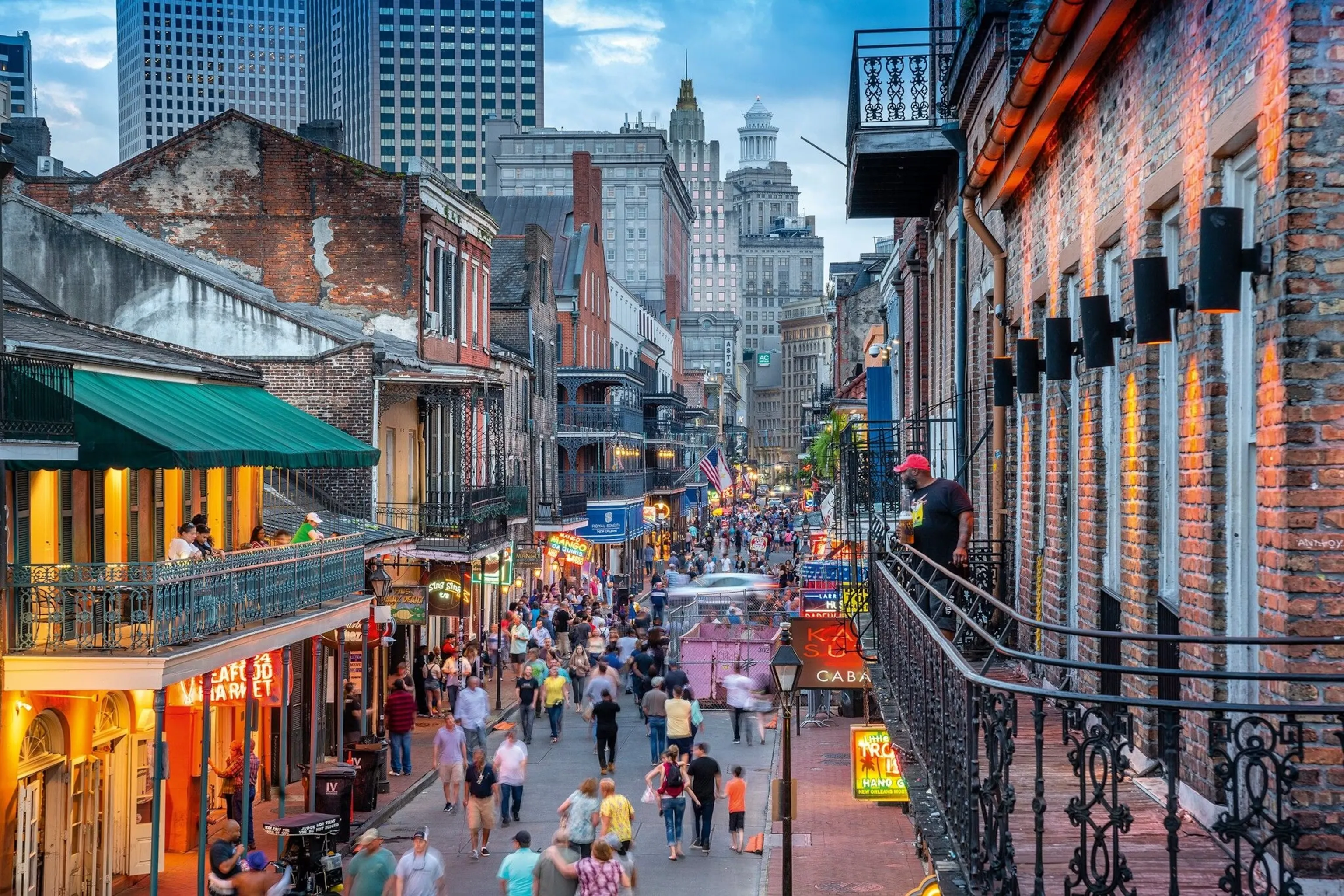
- Spending the entire visit on Bourbon Street.
- Treating residential neighborhoods as decorative sets.
- Ignoring heat, storms, event closures, or the distance back to accommodation.
A short daily check makes plans more reliable.
- Save venue addresses and reservations offline.
- Check weather, flood advisories, and major event closures.
- Confirm opening hours and age restrictions.
- Plan transit or walking links between neighborhoods.
- Carry water and sun or rain protection.
- Confirm accessibility directly with venues when required.
Bring these essentials so entry and your tour stay smooth.
- Photo ID and any venue confirmations.
- Water and necessary medication.
- Sun protection and a compact rain layer.
- A charged phone and portable battery.
Dress for heat, humidity, sudden rain, air-conditioned interiors, and substantial walking.
- Comfortable shoes for uneven sidewalks.
- Light, breathable layers in warm weather.
- A hat and sunscreen for daytime exploration.
- A compact waterproof layer when rain is possible.
- Historic buildings and sidewalks vary in accessibility.
- Contact venues directly for elevators, ramps, seating, and restrooms.
- Official RTA resources describe current accessible transit services.
- Travel with a manageable day bag and protect valuables.
- Follow each venue’s rules for food, drinks, photography, and security.
- Respect private property, active worship, residents, and working musicians.
- Reserve early for major festivals and Carnival periods.
- Check parade geography before planning cross-city travel.
- Use official same-day information during storms and emergencies.
One or two adjacent areas usually provide a richer and less rushed day.
Yes, but closures and crowds affect much of the city. Study the calendar and choose accommodation carefully.
Jackson Square, the riverfront, and the quieter streets of the French Quarter provide a practical introduction.
Not for most central visits. Walking, streetcars, local transit, taxis, ferries, and rideshares are usually sufficient.